
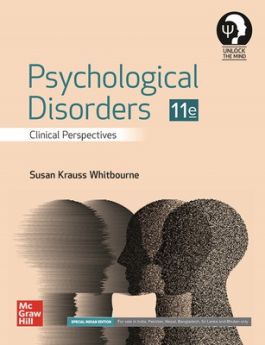
Psychological Disorders: Clinical Perspectives
11th Edition
9364448154
·
9789364448154
© 2026 | Published: May 12, 2026
About the Book:This book on Psychological Disorders: Clinical Perspectives focuses on understanding mental health conditions through a humane and clinically accurate approach. It replaces the earlier title Abnormal Psychology to reduce stigma and emp…
Read More
Chapter 1: Overview to Understanding Psychological Disorders
Chapter 2: Diagnosis and Treatment
Chapter 3: Assessment
Chapter 4: Theoretical Perspectives
Chapter 5: Neurodevelopmental Disorders
Chapter 6: Schizophrenia Spectrum and Other Psychotic Disorders
Chapter 7: Depressive and Bipolar Disorders
Chapter 8: Anxiety, Obsessive-Compulsive, and Trauma- and Stressor-Related Disorders
Chapter 9: Dissociative and Somatic Symptom Disorders
Chapter 10: Feeding and Eating Disorders; Elimination Disorders; Sleep- Wake Disorders; and Disruptive, Impulse-Control, and Conduct Disorders
Chapter 11: Paraphilic Disorders, Sexual Dysfunctions, and Gender Dysphoria
Chapter 12: Substance-Related and Addictive Disorders
Chapter 13: Neurocognitive Disorders
Chapter 14: Personality Disorders
Chapter 15: Ethical and Legal Issues
Subject Index
Chapter 2: Diagnosis and Treatment
Chapter 3: Assessment
Chapter 4: Theoretical Perspectives
Chapter 5: Neurodevelopmental Disorders
Chapter 6: Schizophrenia Spectrum and Other Psychotic Disorders
Chapter 7: Depressive and Bipolar Disorders
Chapter 8: Anxiety, Obsessive-Compulsive, and Trauma- and Stressor-Related Disorders
Chapter 9: Dissociative and Somatic Symptom Disorders
Chapter 10: Feeding and Eating Disorders; Elimination Disorders; Sleep- Wake Disorders; and Disruptive, Impulse-Control, and Conduct Disorders
Chapter 11: Paraphilic Disorders, Sexual Dysfunctions, and Gender Dysphoria
Chapter 12: Substance-Related and Addictive Disorders
Chapter 13: Neurocognitive Disorders
Chapter 14: Personality Disorders
Chapter 15: Ethical and Legal Issues
Subject Index
About the Book:
This book on Psychological Disorders: Clinical Perspectives focuses on understanding mental health conditions through a humane and clinically accurate approach. It replaces the earlier title Abnormal Psychology to reduce stigma and emphasize respectful, scientific study of psychological disorders. The text uses a case-based method, presenting real-life clinical examples to help students grasp the human experiences behind disorders. It integrates updated concepts from the DSM-5-TR (2022) and follows a scientist-practitioner framework, combining research with clinical practice. Each chapter begins and ends with case studies, includes culturally diverse examples, and features “Real Stories” from well-known individuals to provide personal insights. The book highlights that psychological disorders exist on a continuum rather than as simply “normal” or “abnormal,” promoting inclusivity and deeper understanding. Overall, it aims to give students a clear, empathetic, and evidence-based understanding of mental health while supporting learning with online instructor resources.
Key Features:
• Aligned with the latest curriculum guidelines
• Covers diagnosis, assessment, and treatment across the full range of psychological disorders
• Presents theoretical, neurodevelopmental, and clinical perspectives for applied understanding
• Addresses ethical, legal, and cultural considerations in mental health practice
This book on Psychological Disorders: Clinical Perspectives focuses on understanding mental health conditions through a humane and clinically accurate approach. It replaces the earlier title Abnormal Psychology to reduce stigma and emphasize respectful, scientific study of psychological disorders. The text uses a case-based method, presenting real-life clinical examples to help students grasp the human experiences behind disorders. It integrates updated concepts from the DSM-5-TR (2022) and follows a scientist-practitioner framework, combining research with clinical practice. Each chapter begins and ends with case studies, includes culturally diverse examples, and features “Real Stories” from well-known individuals to provide personal insights. The book highlights that psychological disorders exist on a continuum rather than as simply “normal” or “abnormal,” promoting inclusivity and deeper understanding. Overall, it aims to give students a clear, empathetic, and evidence-based understanding of mental health while supporting learning with online instructor resources.
Key Features:
• Aligned with the latest curriculum guidelines
• Covers diagnosis, assessment, and treatment across the full range of psychological disorders
• Presents theoretical, neurodevelopmental, and clinical perspectives for applied understanding
• Addresses ethical, legal, and cultural considerations in mental health practice